Coaching
Using match stats without an analyst
Big clubs have analysts. Local clubs have a stats report in someone's inbox. Here is how a volunteer coach can get real value from weekly stats in about fifteen minutes.
· 2 min read
Ask a question first
Stats become useful when you bring a question to them. Before you open the numbers, write down the one or two things you want to know. Did we lose the clearances in the second quarter? Is our new half back getting more of the ball as the weeks go by?
Look at trends, not single games
One game is noisy: the weather, the opposition and the ground all change the numbers. Three to five games start to show a pattern. Compare a player with their own recent games before you compare them with anyone else.
Compare like with like
A ruck and a small forward should not be judged on the same stats. Compare players with others in a similar role, and remember that some valuable work (blocks, spoils that don't register, structure) doesn't always show up.
A fifteen minute weekly routine
- Check the quarter by quarter scores. Where did the game swing?
- Look at the team stats for that quarter: contested possessions, clearances, inside 50s, tackles.
- Scan the player table for anyone well above or below their usual line.
- Pick one team focus for training and one note for each line coach.
- Feed what you found into each player's feedback.
Use the numbers to start conversations
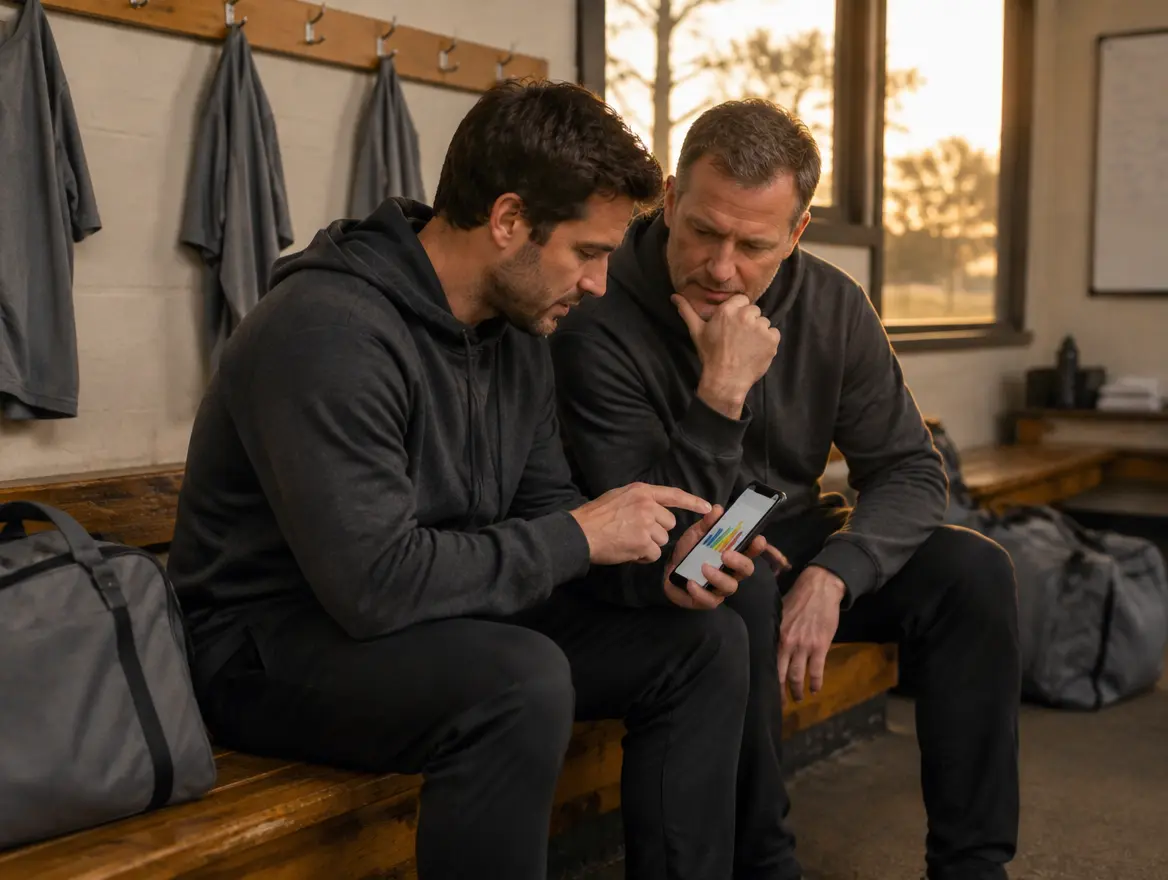
Show players their own trend rather than a ranking against teammates. 'Your tackles have gone up each week' is motivating. A ranked list on the change room wall can do the opposite.
Respect where the data comes from
Your stats provider owns the data and licenses it to your club. Use it for your own coaching, keep it inside the club, and check your agreement before sharing it more widely.